

<img height="1" width="1" style="display:none;" alt="" src="https://px.ads.linkedin.com/collect/?pid=6061692&amp;fmt=gif">
Skip to content
A playbook cover with a man on

NEW - Playbook

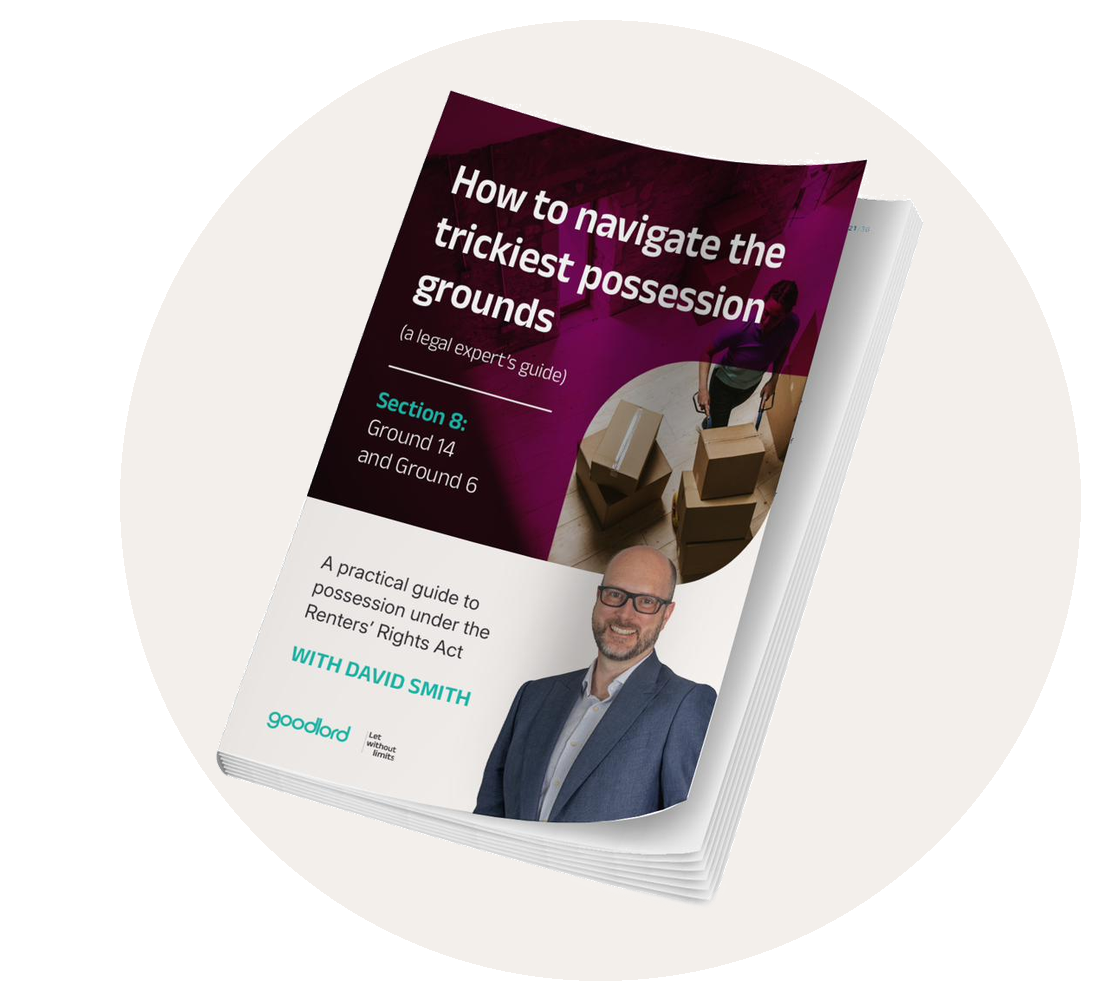
How to navigate the trickiest possession grounds

Some possession grounds are harder to get right than others.

Redevelopment, enforcement action and antisocial behaviour all turn on what you can prove. Get the evidence wrong, and your landlord loses months of time and money.

David Smith

Key takeaways

What you’ll learn from the playbook

Prove the plan is genuine

Know what a landlord needs to show for Ground 6 redevelopment: funding, costings, planning and why the tenant can’t stay.

Handle enforcement action properly

Understand when Ground 6B applies, and why the landlord’s own conduct can affect compensation.

Turn complaints into evidence

Build a Ground 14 antisocial behaviour case on a pattern and a record, not hearsay.

Know what the court must consider

See which grounds are mandatory and which are discretionary, and where reasonableness comes in.

Ask the right questions early

Use ground-by-ground questions before your landlord serves notice.

Keep records that stand up

Find out why the records your agency keeps day to day often decide the outcome.

The context

The trickiest grounds turn on what you can prove

Without Section 21, every possession case rests on choosing the right ground and proving it. Some grounds are far harder than others. A redevelopment plan has to be genuine, funded and ready to go. Enforcement action has to make possession necessary, not just convenient. And a neighbour’s complaint isn’t evidence on its own.

Leading property solicitor David Smith breaks down three of the trickiest grounds: redevelopment (Ground 6), compliance with enforcement action (Ground 6B) and antisocial behaviour (Ground 14). Alongside his analysis, you’ll find the questions to ask before serving notice and how to build an evidence-led process across your portfolio.

With 81% of landlords valuing expert knowledge of rental legislation when choosing an agent, it’s a chance to show yours.

The expert

About David Smith 

David Smith is a leading property solicitor who writes about the Renters’ Rights Act. In this playbook, he explains why redevelopment, enforcement action and antisocial behaviour are among the hardest possession grounds to get right, and what agents and landlords need to have in place before using them.

David Smith headshot

Is your agency ready for the hardest cases?

'How to navigate the trickiest possession grounds' covers redevelopment, enforcement action and antisocial behaviour, plus the questions to ask before serving notice and how to build an evidence-led process across your portfolio.